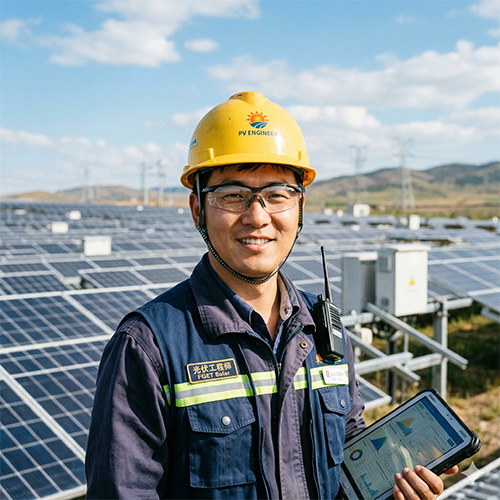
Распределенная солнечная энергетика может сэкономить электроэнергию и увеличить доход в долгосрочной перспективе. Однако многие недобросовестные компании наживаются на незнании отрасли со стороны частных инвесторов, разрабатывая сложные схемы. Эти схемы могут варьироваться от снижения прибыли и протекающих крыш до серьезных долгов и ухудшения кредитной истории. Семьям, планирующим установить солнечные батареи, следует тщательно проверять информацию о подобных мошеннических схемах, чтобы избежать их.
Мошенничество 1: Бесплатная установка (ноль затрат)
Хищнические кредитыПродавцы обещают отсутствие первоначальных затрат, обманом заставляя домовладельцев предъявлять удостоверения личности, проходить процедуру распознавания лиц и подписывать финансовые договоры аренды под предлогом регистрации подключения к электросети.
Как этого избежать: Модели аренды крышных квартир не требуют предоставления личных займов. Отказ от сканирования лица и динамических финансовых соглашений.
Афера 2: Двойные контракты и устные обещания
Противоречивые терминыВладельцы домов подписывают стандартные визуальные акты, в то время как скрытые контракты перекладывают ответственность за протечки крыши, высокие штрафы за ремонт дома и расходы на уборку на фермера.
Как этого избежать: Никогда не подписывайте пустые контракты. Убедитесь, что все устные условия, касающиеся технического обслуживания и демонтажа, зафиксированы в бумажном виде.
Афера 3: Преувеличение показателей выработки электроэнергии
Ложная рекламаИспользование данных об идеальном лабораторном освещении для обещания окупаемости за 3-4 года или фиктивных «национальных субсидий». Реальная отдача зависит от затенения, пыли, деградации и политики местных энергосетей.
Как этого избежать: Самостоятельно проверьте местные цены на солнечную радиацию и подключение к сети. Сравните данные с данными по расположенным поблизости действующим установкам.
Мошенничество №4: Модули по низким ценам на вторичном рынке
Опасность для безопасностиМобильные бригады выигрывают тендеры благодаря дешевым, восстановленным панелям. Выработка электроэнергии сокращается вдвое за 2-3 года, а плохая изоляция создает серьезные риски возгорания и короткого замыкания.
Как этого избежать: Уточните точные модели компонентов. Всегда запрашивайте официальные сертификаты на продукцию и гарантийные талоны производителя.
Афера 5: Некачественное строительство.
Протекающие крышиВнешние бригады спешат с установкой, сверля отверстия без обеспечения водонепроницаемости, ослабляя крепления во время тайфунов или перегружая старые конструкции без проведения испытаний.
Как этого избежать: Четко регламентируйте стандарты гидроизоляции в письменной форме. Всегда проверяйте герметичность перед осуществлением окончательных платежей.
Мошенничество №6: Поддельное долгосрочное техническое обслуживание
Исчезающие поставщикиОбещали 25 лет бесплатного обслуживания, но небольшие подставные компании разорялись и исчезали в течение пары лет, оставляя семьи с неустраненными неполадками оборудования.
Как этого избежать: Отдавайте предпочтение проверенным местным производителям с устоявшимися стационарными магазинами и хорошей репутацией.
Афера №7: Выдача себя за сотрудника государственного учреждения.
Фальшивые квотыМошенники используют официальную политику, заявляя об эксклюзивном «Проекте возрождения сельских районов» с ограниченным количеством мест, чтобы ускорить регистрацию, не давая домовладельцам времени на раздумья.
Как этого избежать: Проверяйте заявки напрямую у сельского комитета или электростанции. Настоящие подключения должны обрабатываться через прозрачные общедоступные каналы.
Афера №8: Пирамидальные схемы инвестирования в PV
Структура ПонциЭти платформы ориентированы на продажу дивидендов виртуальных электростанций и предлагают комиссионные за привлечение участников из числа нижестоящих компаний. Капитал исчезает, когда модель рушится.
Как этого избежать: Избегайте проектов, требующих привлечения новых участников. Обычная прибыль от солнечной энергетики поступает исключительно от продажи электроэнергии.

 Колл-центр
 Электронная почта
 Наше местоположение

-1778572494FzLOxEoVTv.png)

.png)